Product Development & Case Studies
How Rewood Planned, Sourced and Consolidated a 60+ SKU Homeware Retail Assortment for Bolivia
A real Rewood case study on planning, sourcing, checking and consolidating 60+ homeware SKUs for a Bolivia retail store, completed as one 20-foot container shipment.
A multi-category homeware sourcing project requires more than sending a catalog and collecting purchase quantities.
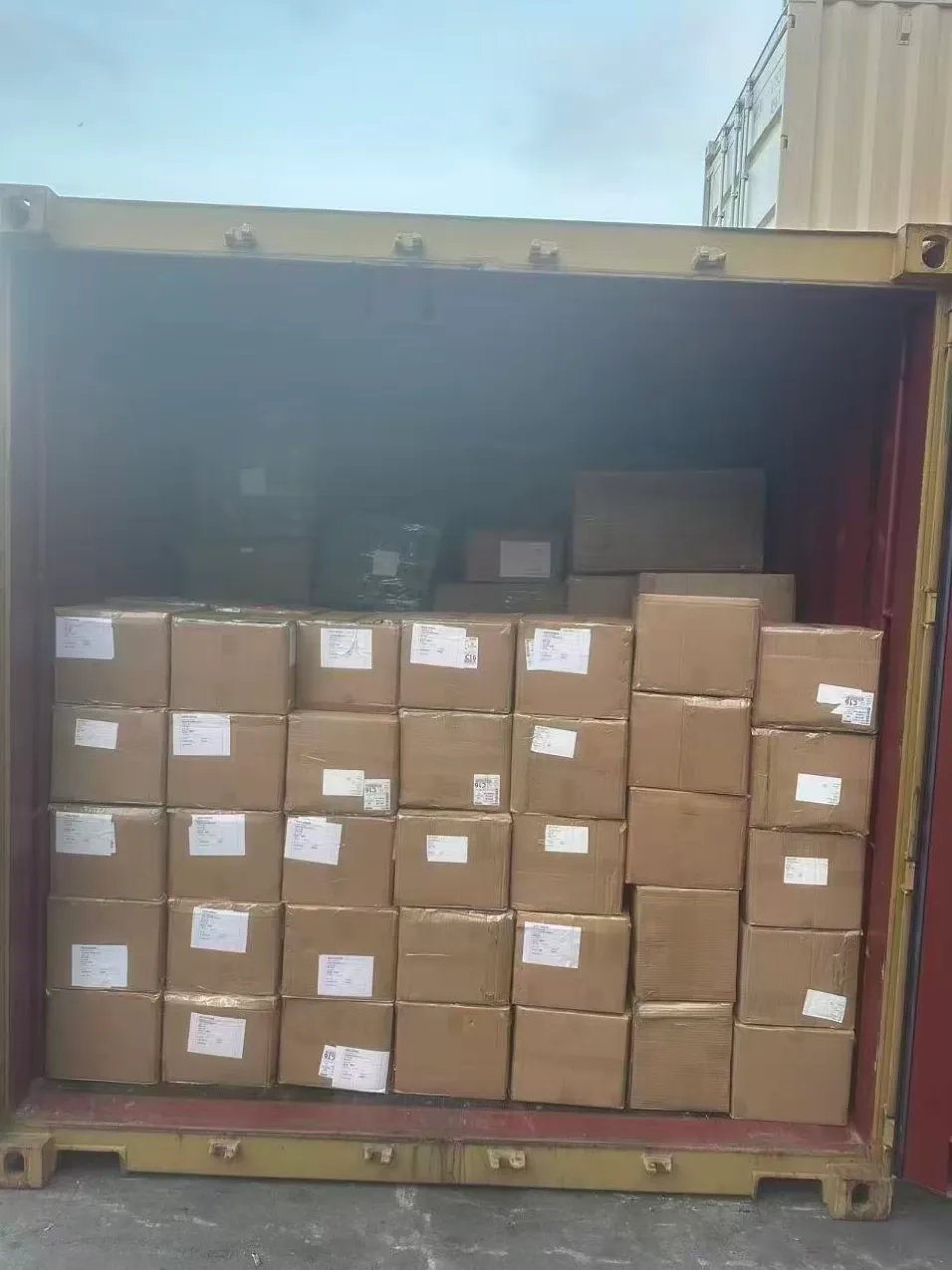
For this Bolivia retail project, Rewood supported the buyer from early category planning and product selection through supplier coordination, product verification, warehouse consolidation and final 20-foot container loading.
The completed order covered more than 60 SKUs across bamboo and wooden houseware, kitchen organization, storage, bathroom and other complementary home categories.
The project is a practical example of how Rewood combines its core bamboo and wood manufacturing resources with partner-factory sourcing and Yiwu-based coordination for buyers building broader retail assortments.
The Project Started With a Multi-Category Retail Requirement
The buyer first contacted Rewood through WhatsApp in June 2026 after finding the Rewood website.
Her requirement was broader than one product or one category.
She was preparing a homeware retail business in Bolivia and was interested in home organization, kitchenware, bathroom products, storage and other household categories.
One of her key questions was whether these categories could be sourced through one company rather than requiring separate communication with many suppliers.
Her goal was clear: simplify the import process while building a coordinated product assortment.
Customer identity has been removed for confidentiality. The conversation is shown only to document the original sourcing requirement.
That requirement matched Rewood's operating model.
Our core production focuses on bamboo and wooden houseware, while our Yiwu sourcing and export team can coordinate complementary products through suitable partner factories when a broader collection is required.
Product Selection Came Before Quotation
For a retail assortment project, simply sending hundreds of product options is not enough.
The buyer needed products that could work together commercially inside a physical homeware store.
During the early stage, Rewood reviewed the buyer's preferred retail direction and discussed which categories would be practical for the first assortment.
The discussion covered areas such as:
- kitchenware and kitchen organization;
- bamboo and wood home storage;
- bathroom organization;
- selected small household and textile categories;
- decorative and functional home accessories.
The purpose was not to maximize the number of products.
The purpose was to build a more realistic first assortment based on the buyer's retail model, preferred style, target market and purchasing plan.
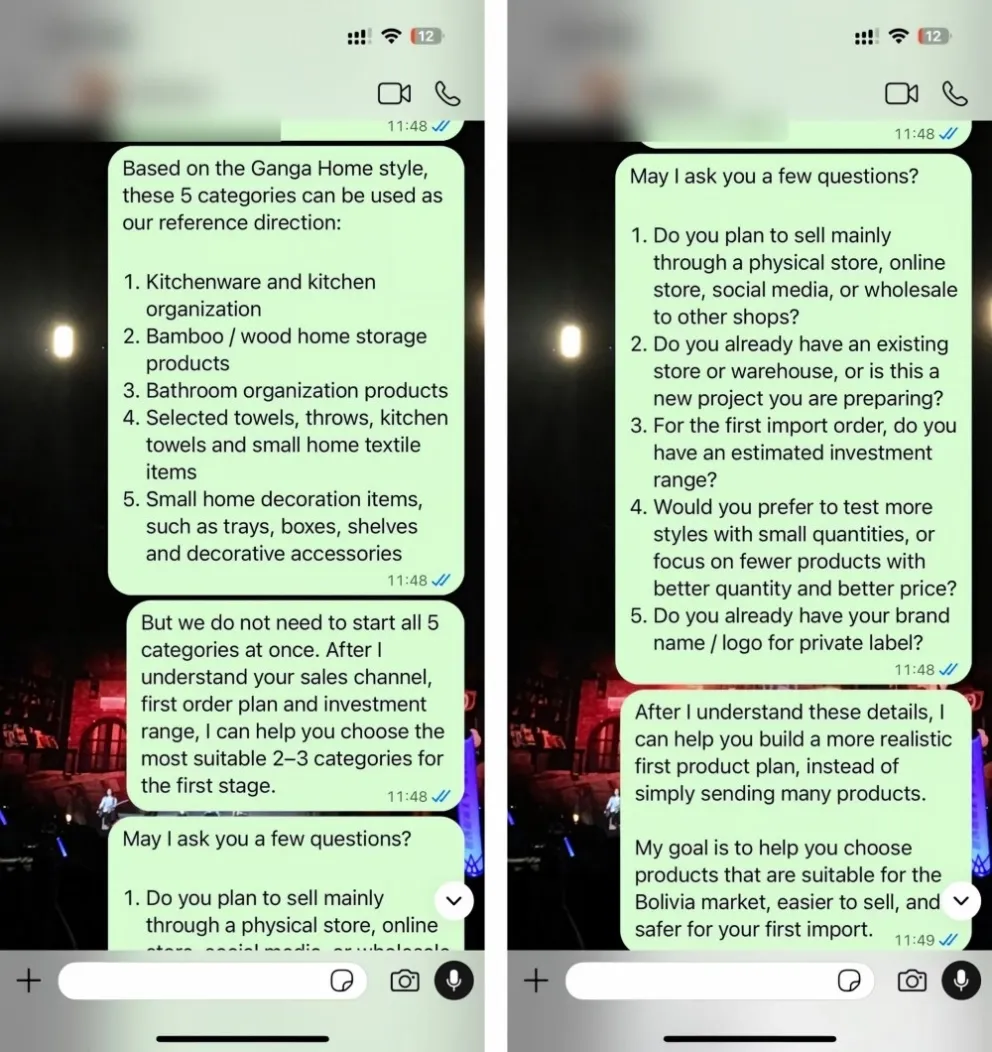
We also asked about the buyer's sales channel, store status, target investment, preferred SKU depth and private-label plans.
This information helped separate products that were commercially relevant from products that were simply available.
For professional retail buyers, this type of assortment planning is important because every additional SKU affects inventory, packaging, order management and future reorder decisions.
Direct Manufacturing and Partner-Factory Sourcing Were Kept Separate
Rewood does not present every product as if it were produced in one factory.
Our core bamboo and wooden houseware is supported through our manufacturing resources in Longquan.
For complementary homeware outside that core scope, our sourcing team can evaluate and coordinate partner factories according to the buyer's confirmed requirements.
During this project, Rewood shared product catalogs and factory information so the buyer could understand the difference between products we manufacture directly and products coordinated through external production partners.
This distinction is important for B2B buyers evaluating supplier structure, product responsibility and future repeat orders.
The final assortment therefore combined:
Core bamboo and wood products
Products aligned with Rewood's main manufacturing capabilities.
Complementary homeware
Kitchen, storage, bathroom and household products sourced through partner factories.
Yiwu coordination
Product selection, supplier communication, product receiving, verification, consolidation and export preparation.
Buyers who want more information about this structure can review the Rewood About page and our Longquan factory update.
Building a 60+ SKU Retail Assortment
The final project developed into a retail assortment covering more than 60 SKUs.
The assortment included a mix of materials and functions rather than only bamboo products.
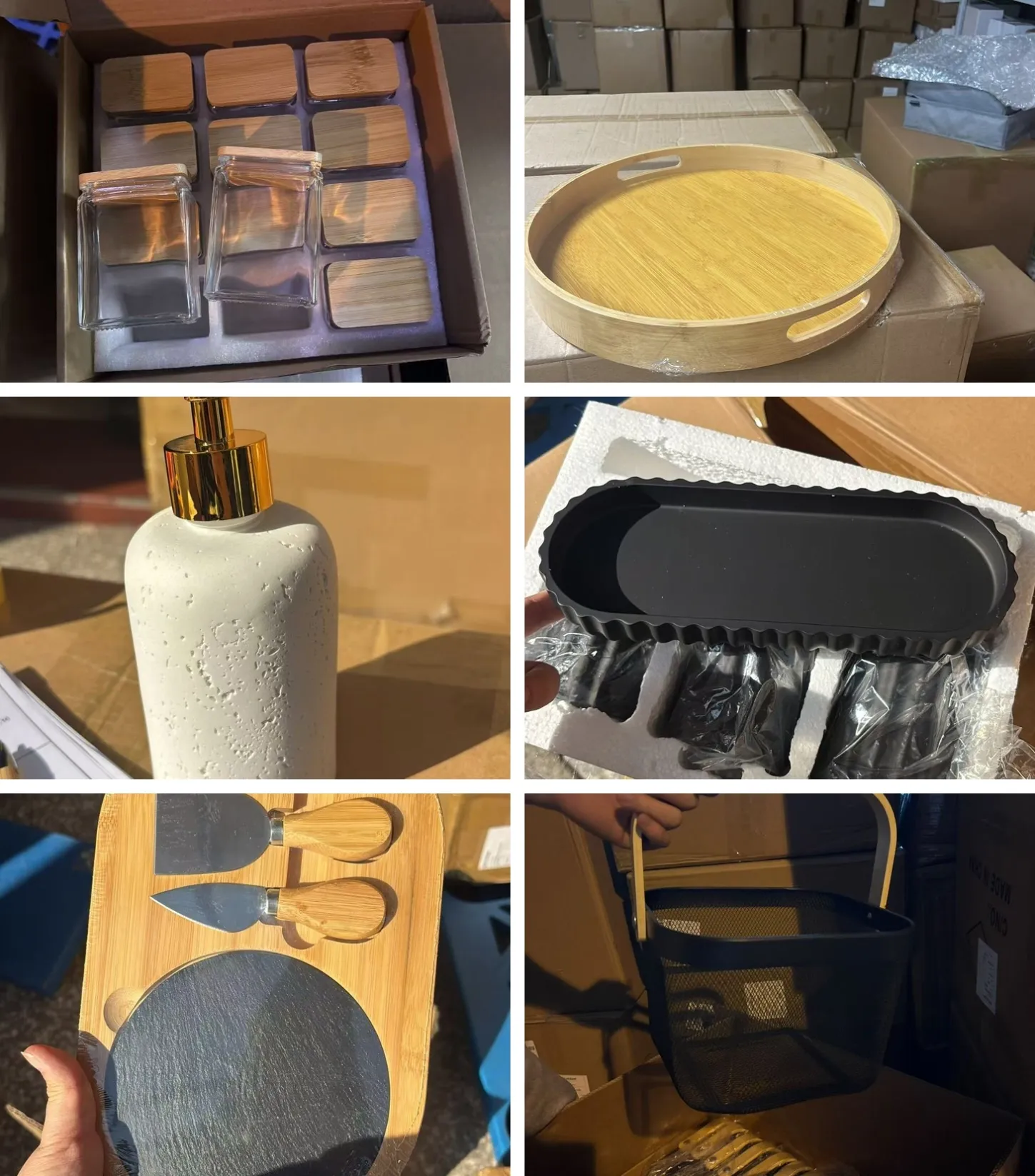
Examples included:
- bamboo trays and serving products;
- kitchen and pantry storage;
- containers with bamboo components;
- bathroom accessories;
- household organization products;
- mixed-material baskets and storage items;
- selected complementary kitchen and home products.
The buyer's objective was to create category breadth for a physical retail store.
This is different from building one single hero SKU.
A physical store may need several related product groups so customers can shop across different home-use occasions.
The commercial value of the first assortment therefore came from building the right product mix, not from forcing every SKU into the same high quantity.
Quality Verification Was Discussed Before the Order
The buyer also raised an important concern early in the project: how to verify quality before committing to a larger import order.
Rewood discussed several practical options, including product samples, photos, videos and individual product checks.
The focus was not simply on the lowest price.
For retail products, poor surface quality, incorrect color, weak packaging or inconsistent construction can create after-sales problems and damage the buyer's own customer experience.
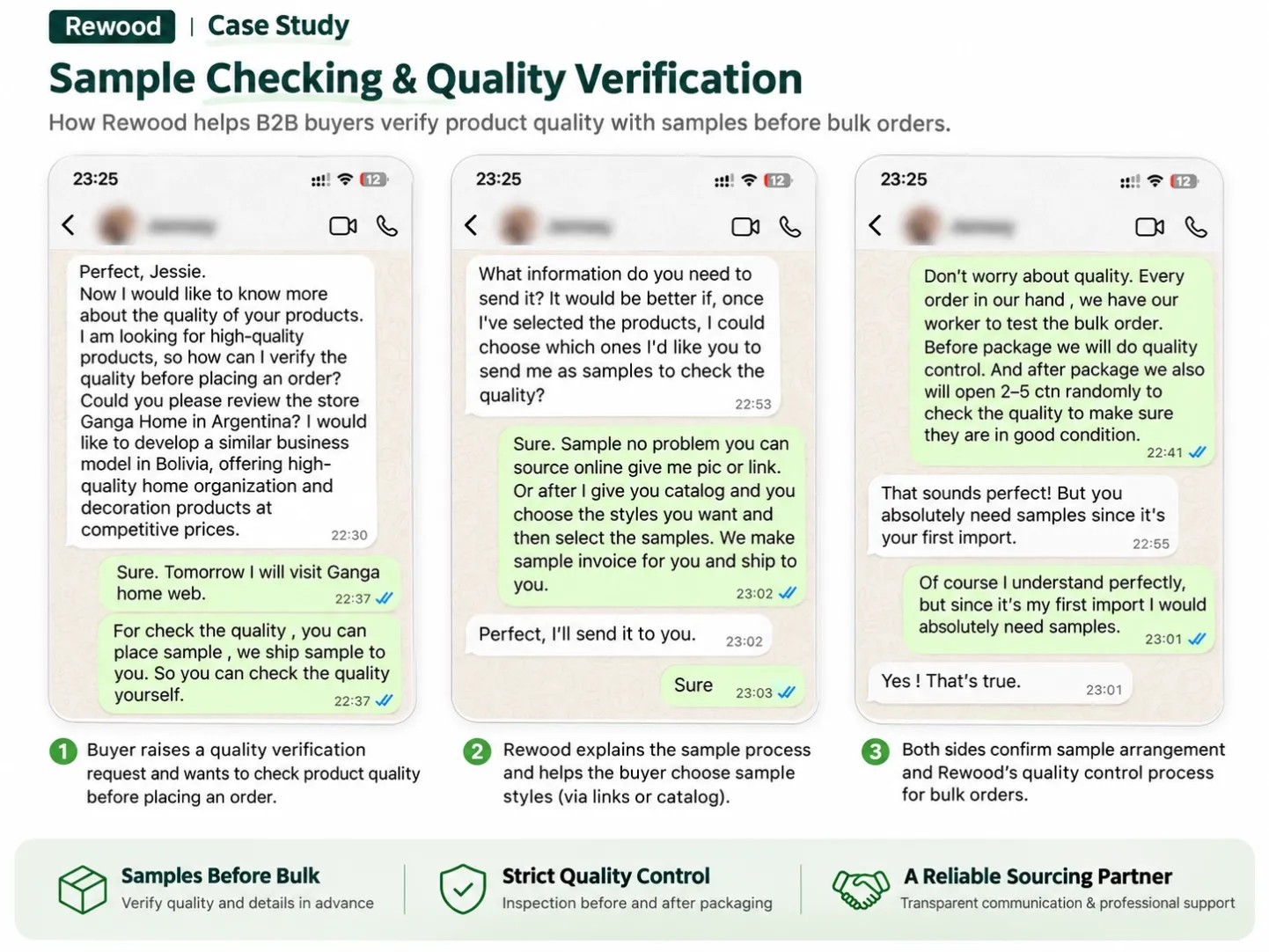
Where appropriate, samples can be reviewed before bulk purchasing.
For broader sourcing programs, the quality-control method also needs to match the individual product.
A bamboo product, a ceramic bathroom accessory, a plastic organizer and a metal basket do not have the same inspection points.
That is why multi-category projects should not rely on one generic QC checklist.
Each Style Was Rechecked After Arrival at the Yiwu Warehouse
Product verification continued after goods from different supply sources arrived at the Yiwu warehouse.
For this project, Rewood photographed and recorded videos of the received styles for the buyer so product appearance and condition could be reviewed before final shipment.
This step created an additional confirmation point between supplier production and container loading.
For a 60+ SKU project, that matters.
The main risks are not limited to one product defect.
The team also needs to control:
- whether the correct SKU arrived;
- whether quantity and color match the project list;
- whether the correct version was supplied;
- whether visible product quality is acceptable;
- whether packaging is suitable for consolidation;
- whether cartons can be identified before shipment.
This type of item-level verification becomes increasingly valuable as the number of suppliers and SKUs increases.
Why 60+ SKUs Does Not Mean Rewood Is a “Small-Order Supplier”
The commercial context of the project is important.
The buyer was building the initial assortment for a physical homeware retail business.
The first container therefore needed product breadth.
That does not mean the long-term purchasing strategy is to keep every SKU at a permanently low quantity.
A retail assortment can be used to identify:
which products sell faster;
which categories attract repeat customers;
which styles should be discontinued;
which products justify private-label investment;
and which successful SKUs should move into larger repeat-order quantities.
For established importers, distributors and retailers, the same principle applies.
A sourcing program may begin with category development and assortment testing, but mature purchasing normally becomes more concentrated as sales data identifies the strongest products.
Rewood's long-term goal is to support that progression—from assortment development to repeat orders and larger-volume core SKUs.
Multi-Supplier Coordination Through One Project Channel
One of the buyer's original concerns was whether she would need to manage multiple suppliers herself.
For this project, Rewood acted as the main coordination point.
That did not mean all products came from one production line.
Instead, Rewood coordinated the appropriate supply route for different products while keeping the overall project organized around one buyer requirement.
This included:
product selection;
catalog and reference review;
supplier communication;
sampling and quality-verification planning;
production follow-up;
warehouse receiving;
style-by-style photo and video confirmation;
carton and product coordination;
and final shipment consolidation.
This structure can reduce communication complexity for buyers developing a broader homeware range.
From Warehouse Consolidation to a 20-Foot Container
After the required goods were completed and received, the cartons were staged for final shipment preparation.
Products from different sources were consolidated into one export project before container loading.
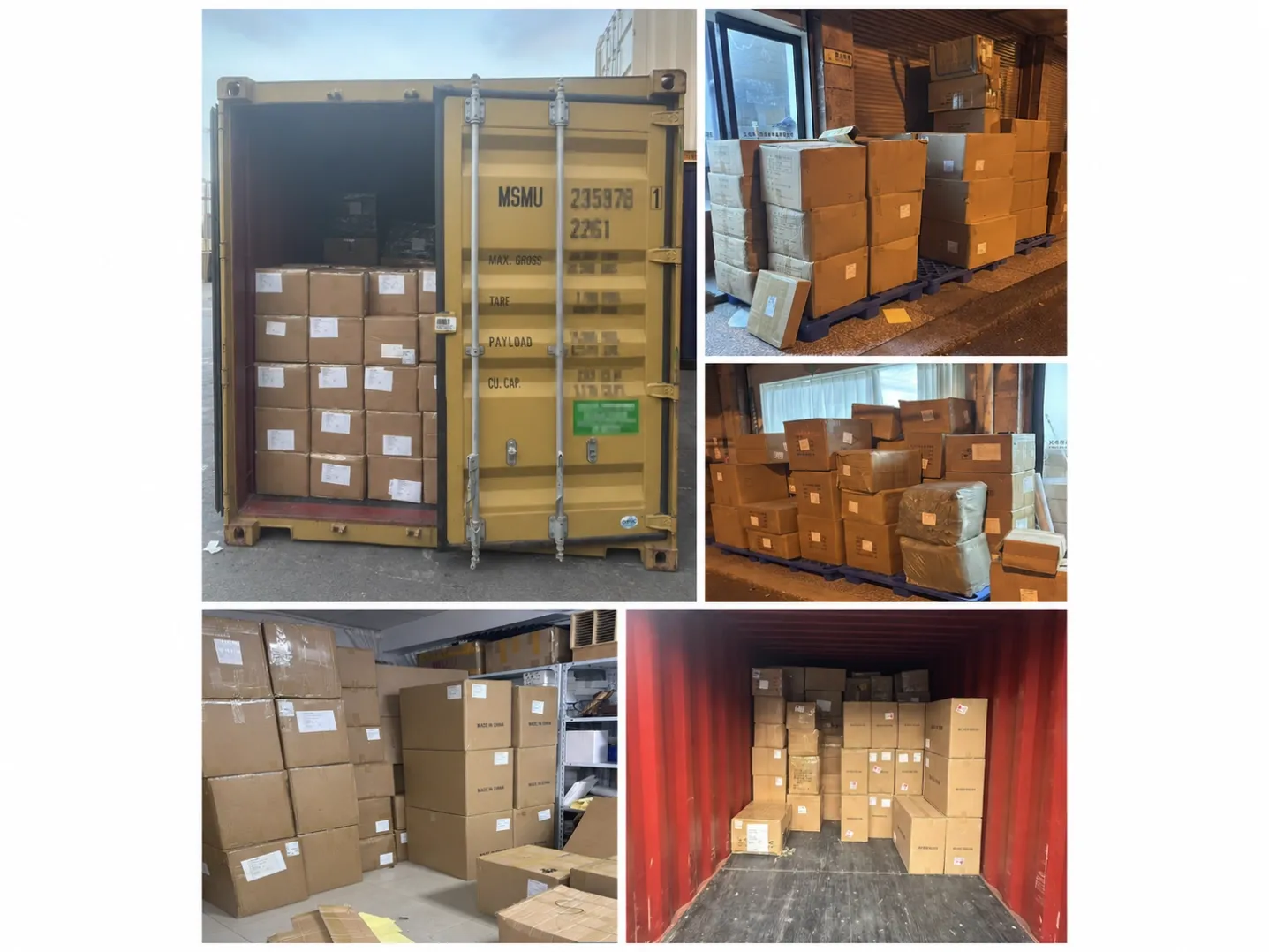
The completed order was loaded into a 20-foot container.
This final shipment represented the outcome of several earlier stages:
buyer requirement definition;
category planning;
product selection;
supplier matching;
product confirmation;
quality checks;
warehouse receiving;
and consolidation.
The container itself is only the final visible step.
The main sourcing work happened before loading.
What This Case Demonstrates About Rewood
This Bolivia project demonstrates five practical Rewood capabilities.
1. Retail assortment planning
We can work from a buyer's sales model and product direction rather than only responding to individual SKU requests.
2. Core manufacturing plus complementary sourcing
Bamboo and wooden houseware remain Rewood's core manufacturing direction, while suitable complementary products can be coordinated through partner factories.
3. Product-selection support
Buyers can provide catalogs, product photos, market references or competitor links, and Rewood can help organize the sourcing direction around practical categories.
4. Product and quality verification
Samples, photos, videos and project-specific inspection points can be used to reduce uncertainty before shipment.
5. Multi-supplier consolidation
Products from different production sources can be coordinated through the Yiwu operation for receiving, verification and consolidated export preparation.
Who Is This Sourcing Model Best For?
This model is particularly relevant for:
- homeware importers expanding into related categories;
- retailers building or refreshing store assortments;
- distributors managing multiple product families;
- private-label brands developing coordinated home collections;
- sourcing teams that want one main project channel for several suppliers;
- buyers planning repeat purchasing across kitchen, storage, bathroom and other home categories.
For a buyer who only needs one standard product, direct single-factory sourcing may be simpler.
For a broader homeware program, the value comes from coordinating the assortment as one commercial project.
How Professional Buyers Can Start a Similar Project
A useful multi-category sourcing brief should include:
target categories;
reference photos, drawings or product links;
estimated quantity by SKU;
material or construction requirements where relevant;
target quality level;
logo and private-label requirements;
packaging requirements;
destination market;
and expected shipment plan.
If some products are already confirmed while others still require sourcing, they can be separated clearly in the same project list.
Rewood can then review which products fit our core manufacturing resources and which products require partner-factory coordination.
Frequently Asked Questions
Can Rewood source homeware outside bamboo and wood?
Yes. Rewood's core manufacturing focus is bamboo and wooden houseware, while suitable complementary kitchen, bathroom, storage and mixed-material products can be coordinated through partner factories for broader B2B projects.
Can a buyer send competitor links or reference photos?
Yes. Product links, reference images and market examples can help clarify the required style, price position, material and function. Final specifications still need to be confirmed for the actual project.
Can Rewood help select products instead of only sending catalogs?
Yes. For suitable sourcing projects, Rewood can discuss the buyer's sales channel, target market, category structure and product direction before narrowing the product list.
How can quality be checked on a multi-category order?
The method depends on the product. Samples, photos, videos, specification checks and product-specific inspection points can be used according to the project requirements.
Are products checked again when they reach the Yiwu warehouse?
For this Bolivia project, the received styles were photographed and recorded for buyer review after arrival at the warehouse and before final shipment preparation.
Can products from several factories be consolidated into one container?
Yes, when the project structure and logistics allow it. Products from different supply sources can be coordinated for warehouse receiving and consolidated shipment preparation through Yiwu.
Does Rewood specialize in low-volume orders?
No. This project's broad SKU mix reflected the buyer's retail assortment strategy. Rewood's B2B focus is on importers, retailers, distributors and brands developing repeatable purchasing programs and larger-volume core products.
Can successful SKUs be reordered in higher quantities later?
Yes. Retailers can use sales performance to identify stronger products and then increase purchasing volume on successful SKUs in later orders.
Planning a Multi-Category Homeware Sourcing Program?
If you are an importer, retailer, distributor or private-label brand planning a broader homeware assortment, send Rewood your target categories, SKU list, estimated quantities, reference products, quality requirements, packaging needs and destination market.
We can review the project and explain which products fit our bamboo and wood manufacturing resources, which require partner-factory sourcing and how the program can be managed from product selection through QC, consolidation and export preparation.
Written by Jessie Jiang — Overseas Business Development, Rewood Houseware
Jessie works with importers, distributors, retailers and private-label brands on bamboo and wood houseware manufacturing, product selection, sourcing coordination, packaging, quality control and export projects.
Reviewed by the Rewood Supply Chain & Export Team
Customer identity and commercially sensitive information in this case study have been anonymized. This article is based on an actual Rewood sourcing and shipment project completed in 2026.
Last updated: November 4, 2026